We need to talk about implicit bias in STEM.

Photo by Amplitude Magazin on Unsplash
At first, my mom wasn’t sure if she should name me ‘Victoria’ or ‘Sydney’.
Privy to prejudices, she understood that a gender-neutral name could help inoculate her daughter against the discrimination she may face in her future career. Today I am a first-year neuroscientist seeking a doctorate degree from Emory University. I love my field: every day is a blessing as I get to run experiments in the lab, discuss literature with my friends, and learn from some of the best scientists in my field. This truly is the good-life.
Luckily, my upbringing largely sheltered me from the gender bias. Growing up, my parents poured their support into my interests without consideration of gender expectations. I revered my older brothers who invited my company as we built forts, shot nerf guns, played video games, and became backyard arsonists. I grew up with the expectation that wherever my interests may take me, a welcoming community will receive me as an equal. Now as an adult, I notice troubling trends that threaten women and minorities in their scientific careers. We need to discuss the effects of implicit bias in STEM
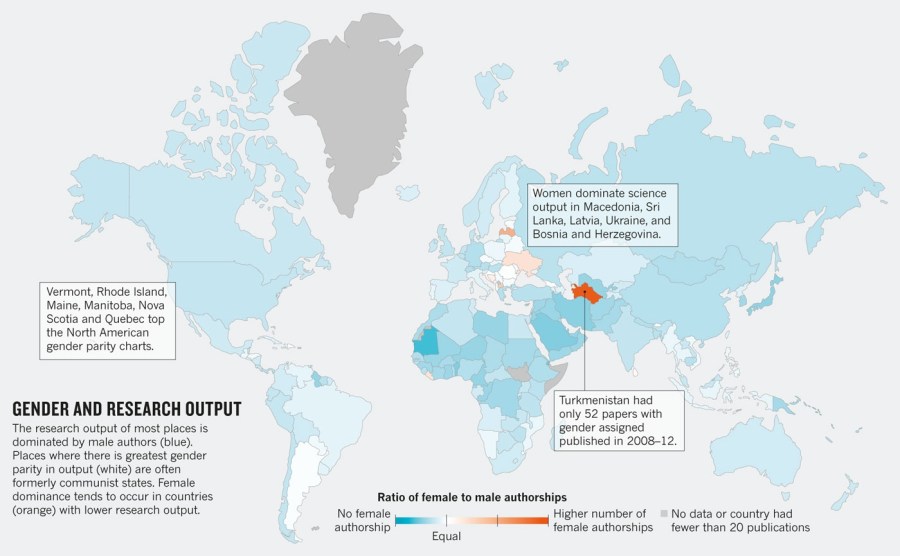
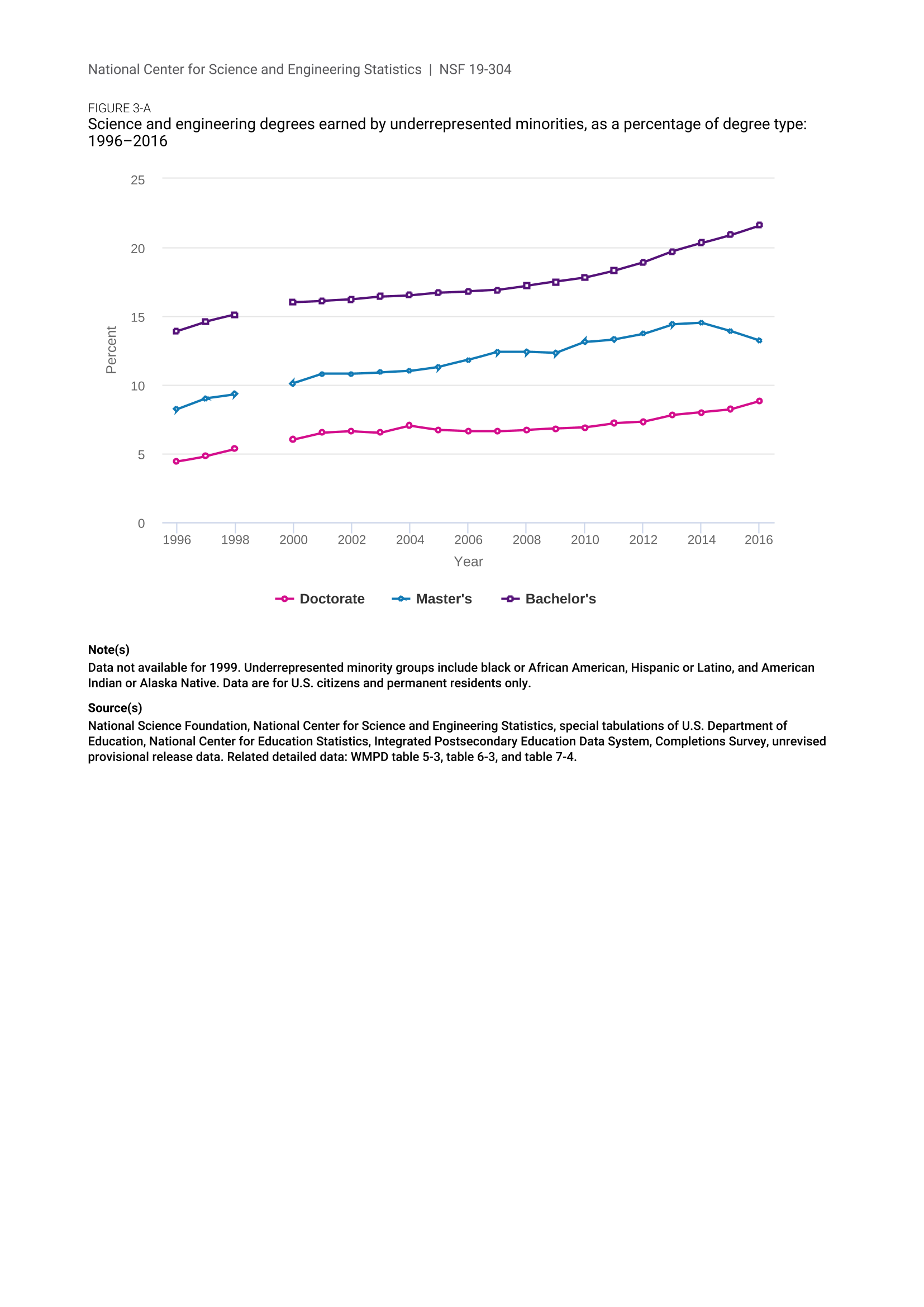
Most of my peers and all my former faculty members treated me with the utmost respect. Sometimes in a casual conversation with a colleague, implicit prejudices rang in the subtext. For example, when I shared the news of my first publication with a colleague at my undergraduate institution, he suggested that I got into that lab because I was an attractive woman. It seemed easier for him to believe that my success resulted from my outward appearance rather than years of hard work. Although sexist, my colleague’s assumption relies on the fact that, statistically speaking, my PI is a heterosexual man. According to UNESCO Institute for Statistics (UIS), less than 30% of the world’s researchers are women (1). Although women receive over half of all Ph.D. degrees, only 22% and 15% reach tenure or become department chairs, respectively (2). Of all the graduate students pursuing STEM doctoral degrees, just 2% are Hispanic and 2% women of color (3). Our pipeline hemorrhages talent before it can reach the graduate level. What factors undermine women and minority access to a scientific career?
.
Women and minorities pursuing STEM fields contend with a barrage of biases at each career milestone. Upon applying to graduate school prospective students, take the General Record Exam (GRE). One scientifically demonstrated harm of societal prejudice is the stereotype threat in which the fear of living up to a stereotype impairs performance: an effect documented in standardized testing (4). The stereotype threat was one factor that contributed to my own anxiety I experienced while preparing for and taking the GRE. I took studying for the GRE seriously, as I enrolled in a GRE course, studied from several books, utilized online sources, and took dozens of practice exams. I began having regular panic attacks during studying and class-room sessions. I could not finish a practice exam without having an anxious episode. In addition to studying, I began seeking cognitive behavioral therapy so I could learn strategies to control my anxiety. After six months of studying and mental health work, I got to the point where I could finish on-site practice exams with satisfying percentile scores. Frustratingly, when it came time for the first quantitative section on the real test, anxious thoughts flooded my cognitive space. Many pressures contribute to my test-anxiety: one threat was the suspicion that stereotypes against women performing in quantitative fields might be true, and that my failure would contribute to this stereotype. Despite my love for mathematics and calculus in my college courses, racing thoughts of inadequacy interfered with my ability to focus on the test questions. A fear of having a panic attack in the test-center compounded these anxieties and I lost my composure. To avoid distracting the other test-takers, I felt that all I could do was leave the test center with my exam unfinished.
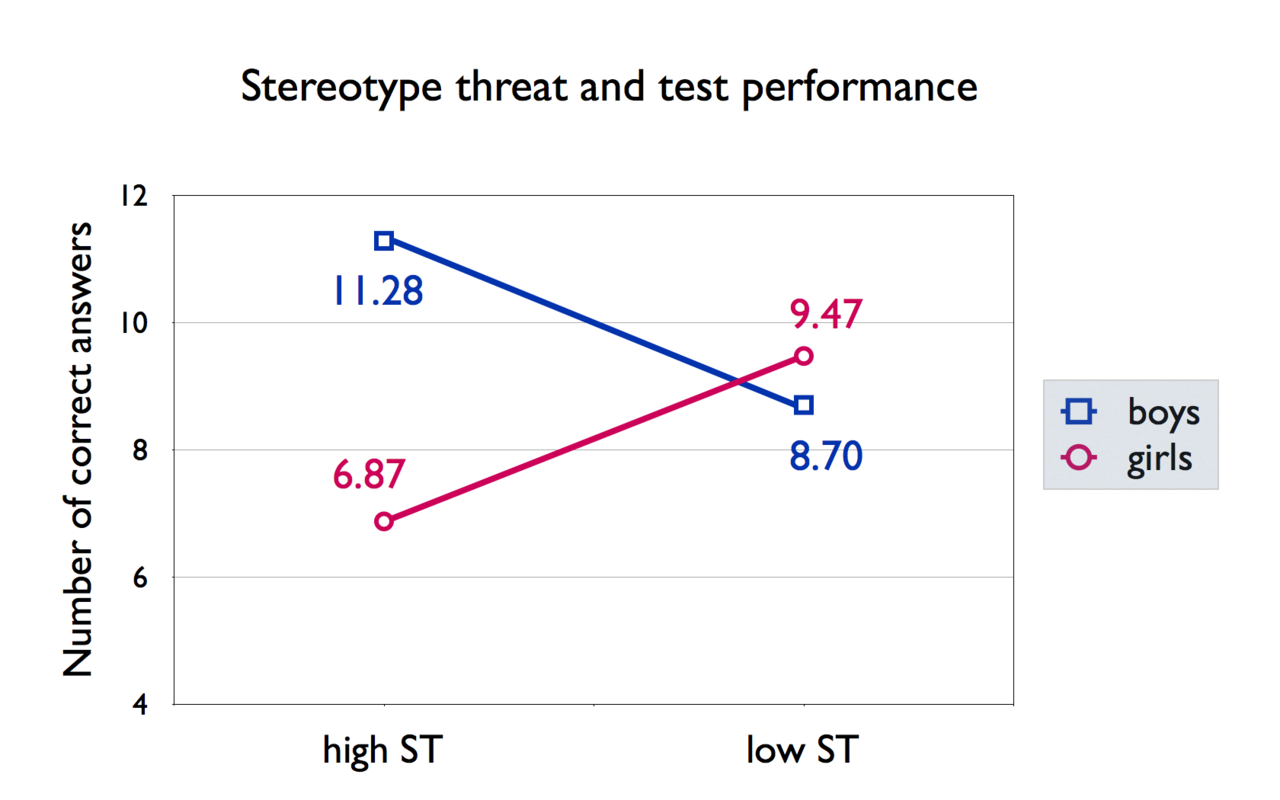
Osborne, Jason W. (2007). “Linking Stereotype Threat and Anxiety”. Educational Psychology. 2

Photo by Sharon McCutcheon on Unsplash
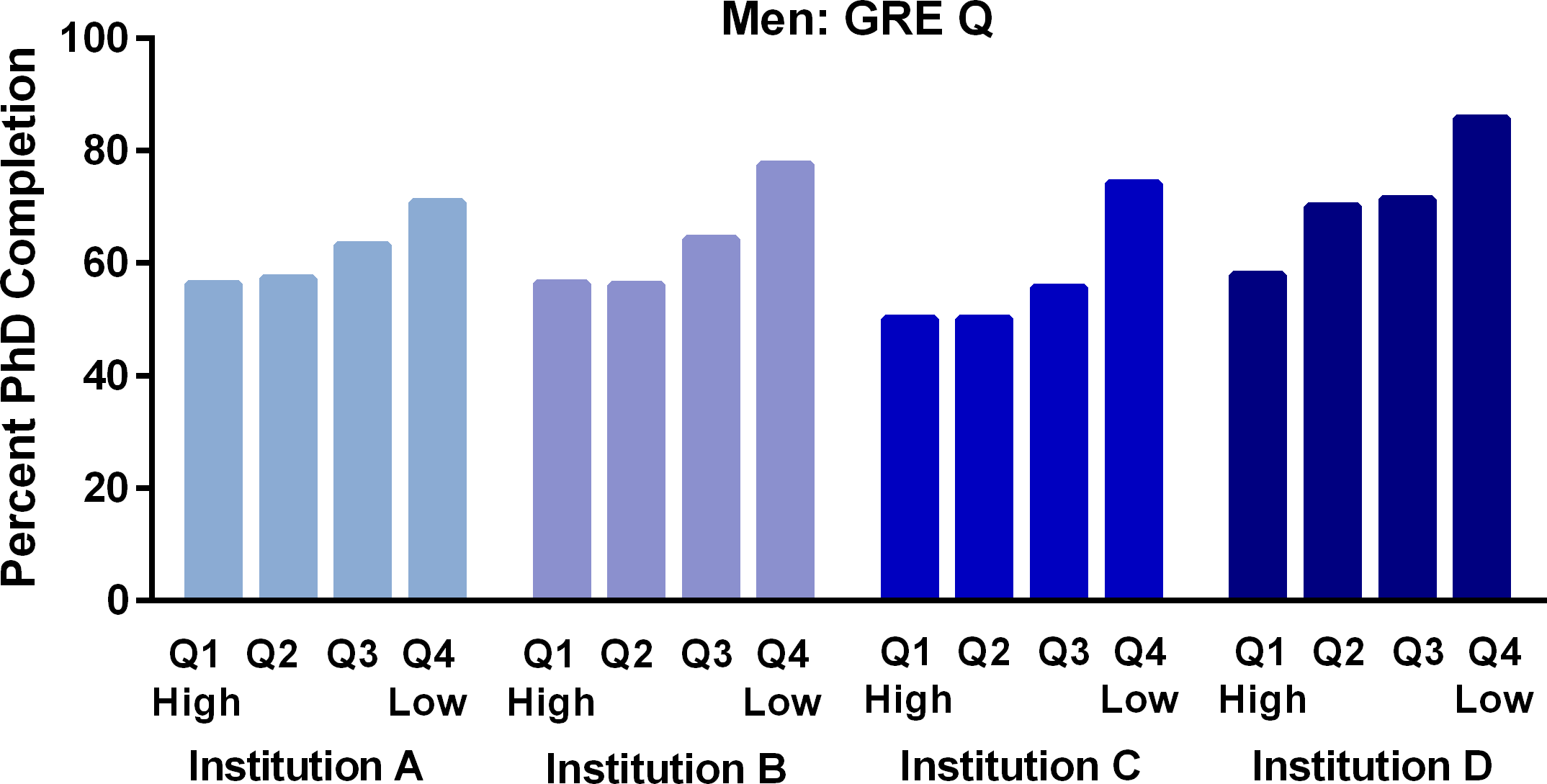
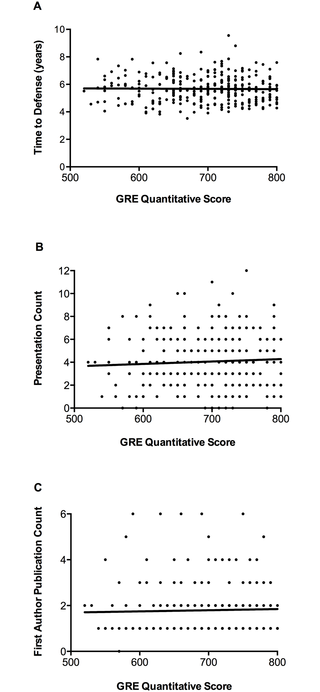
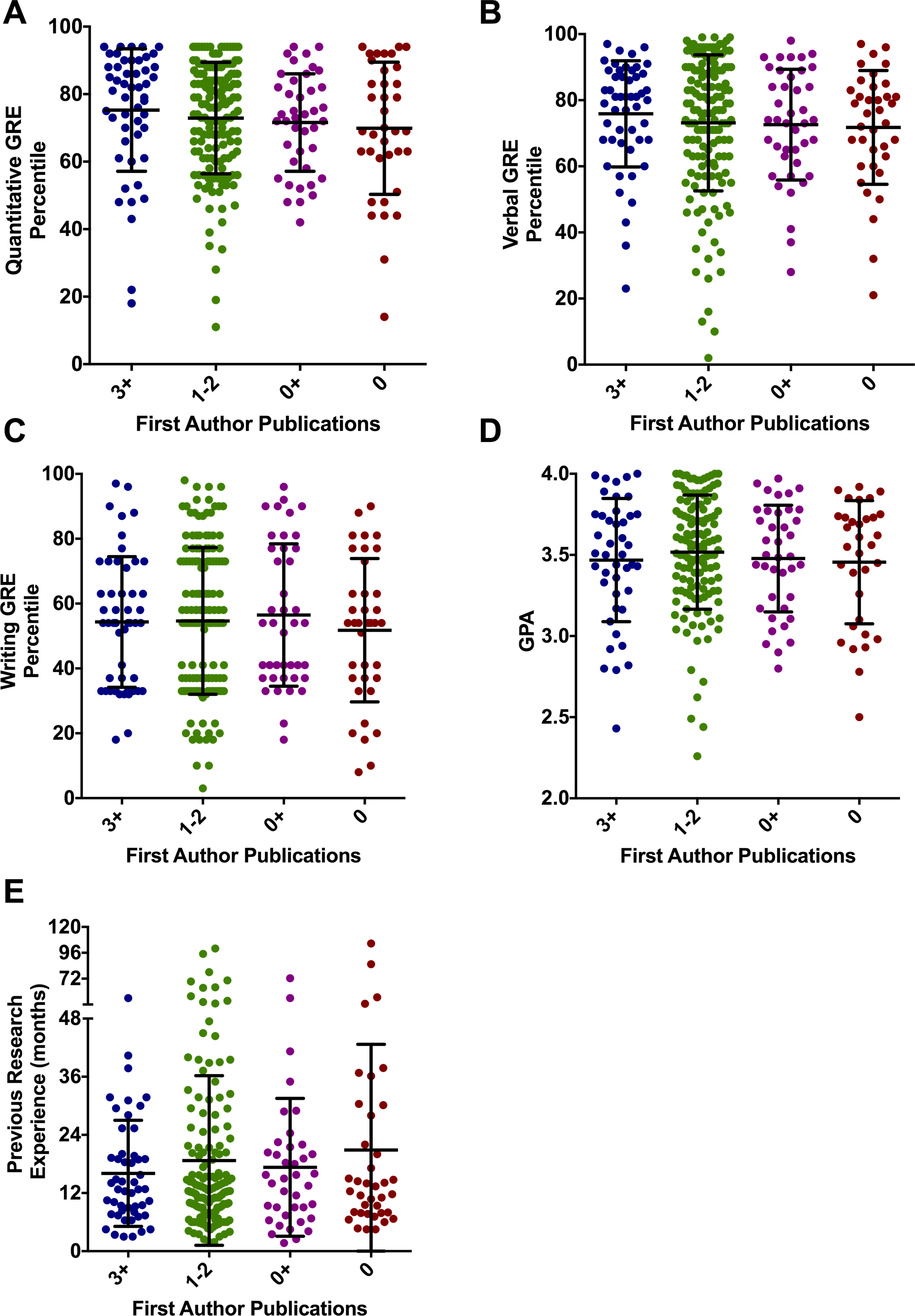
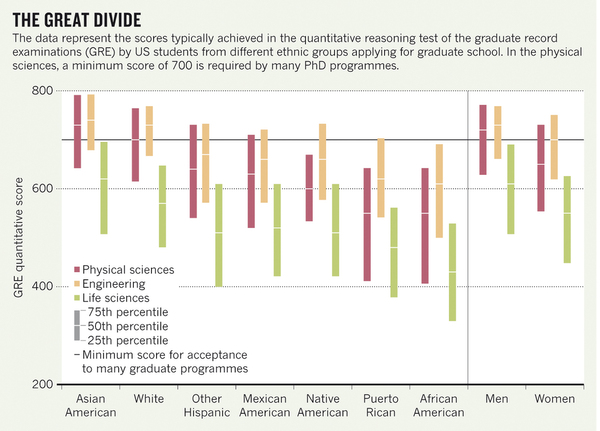
It was only after starting my doctoral degree that I learned about problematic correlations between under-represented demographics and GRE scores. Meta-analysis conducted by the Educational Testing Service (ETS), the organization administering the test, reveal that women score on average 80 points lower in the physical sciences than men, and African Americans score 200 points below white test takers (5). Graduate admissions committees often use GRE scores to screen-out applicants. Recently, the use of the GRE as a talent-sieve has been criticized after several studies documented the tests’ failure in predicting any measure of graduate school success (6,7). Graver threats await women after admission into graduate school. A survey of field-researchers conducted in 2014 found that 26% of women reported sexual assault and 75% reported sexual harassment (8). Although sexual misconduct isn’t unique to the sciences, the hierarchical power structure inherent to academic science can dissuade women from seeking lawful retribution; coming forward puts their careers at risk. Still, the unseen obstacles extend beyond sexual assault, as the effects of implicit bias permeate the workforce. Women get less invitations to speak at conferences, receive fewer paper citations, are less likely to be published as first author, receive fewer award nominations, are awarded less funding, and hiring committees exhibit favorable bias toward men (9,10,11,12,13,14, 16, 17). The literature abounds with data describing professional barriers which can dampen the success of women and minorities.Despite the evidence, a few high-profile academics disregard these factors when reflecting on the dearth of women in science. Harvard Psychologist Dr. Steven Pinker posed that innate biological differences in aptitude and motivation explain the fall in gender-parity with rank ascension, citing IQ , SAT, personality test scores (18). In response to Pinker’s statements, Harvard psychologist Dr. Elizabeth Spelke and the late Stanford Neurobiologist Dr. Ben Barres refuted the ‘innate differences’ explanation and instead cited studies showing that women perform as good as men on a variety of mathematical aptitude tests, and cited a compendium of studies implicating implicit biases as professional barriers (19). Comments like those made by Dr. Pinker contribute to a climate of prejudice against women in science. They puncture holes in the pipeline.

Personally, the statements like those made by Dr. Pinker strike me as clearly inaccurate. Every day I work alongside dozens of women who apply exacting scientific rigor and creative problem-solving to their science. I notice women who come in early to devour literature so that they can mentor a new scientist during the day and stay after-hours to perform their own experiments. I see women attending seminars to stay on top of their fields, engaging the community in out-reach events, and assuming leadership positions on committees to build a more inclusive system. My female colleagues are exemplars of aptitude and motivation; despite the professional barriers they must overcome. It should come as no surprise that their sterling work-ethic and robust resilience reflect in the impact of their scientific contributions. Just in my short life, I saw the field of biology revolutionized by the minds of Dr.’s Jennifer Doudna and Emmanuel Charpentier with the invention of the CRISPR Cas9 system as the gene-editing technology that may forever shape humanity. I read of Maryam Mirzakhani who won the Fields Medal in 2014 for her contributions to the geometry of Reimann surfaces. And recently, I delighted in the news of the first picture of the black-hole; a triumph made possible by Dr. Katy Bouman’s imaging algorithms. One need not look far to find evidence of motivated, competent women with revolutionary contributions.

Photo by Samuel Zeller on Unsplash
As I go forward in my career, I cherish the collaborative relationships I get to build with my fellow-scientists. Ten of the fourteen doctoral students in my cohort are women, and I benefit from the supportive environment we built together. I don’t know how many of us will stay in academia or land a tenured-professorship at a university down the line. I do know that my colleagues are brilliant, hard-working scientists with the potential to build any career they would like. What can we do to address the dearth of women in STEM? As a society, we can be better at acknowledging, publicizing, and celebrating the accomplishments of women and minorities in all professions. When considering nominating a colleague for an award, or inviting a speaker to an event, we can pause to consider the diversity of our candidates. How many women and minorities work in this field? Do my considerations reflect those demographics? We can continue to engage people from all backgrounds in STEM through outreach opportunities and by opening dialogues in-person and online. We can challenge ourselves to mentor those who come from different backgrounds than our own. We can call on women when they have something to say and listen to them sincerely without interruption. Closing the gender and ethnicity gaps seen in STEM careers demands a concerted and consistent effort from all of us. Together, we must think, speak, and act inclusively to see results.
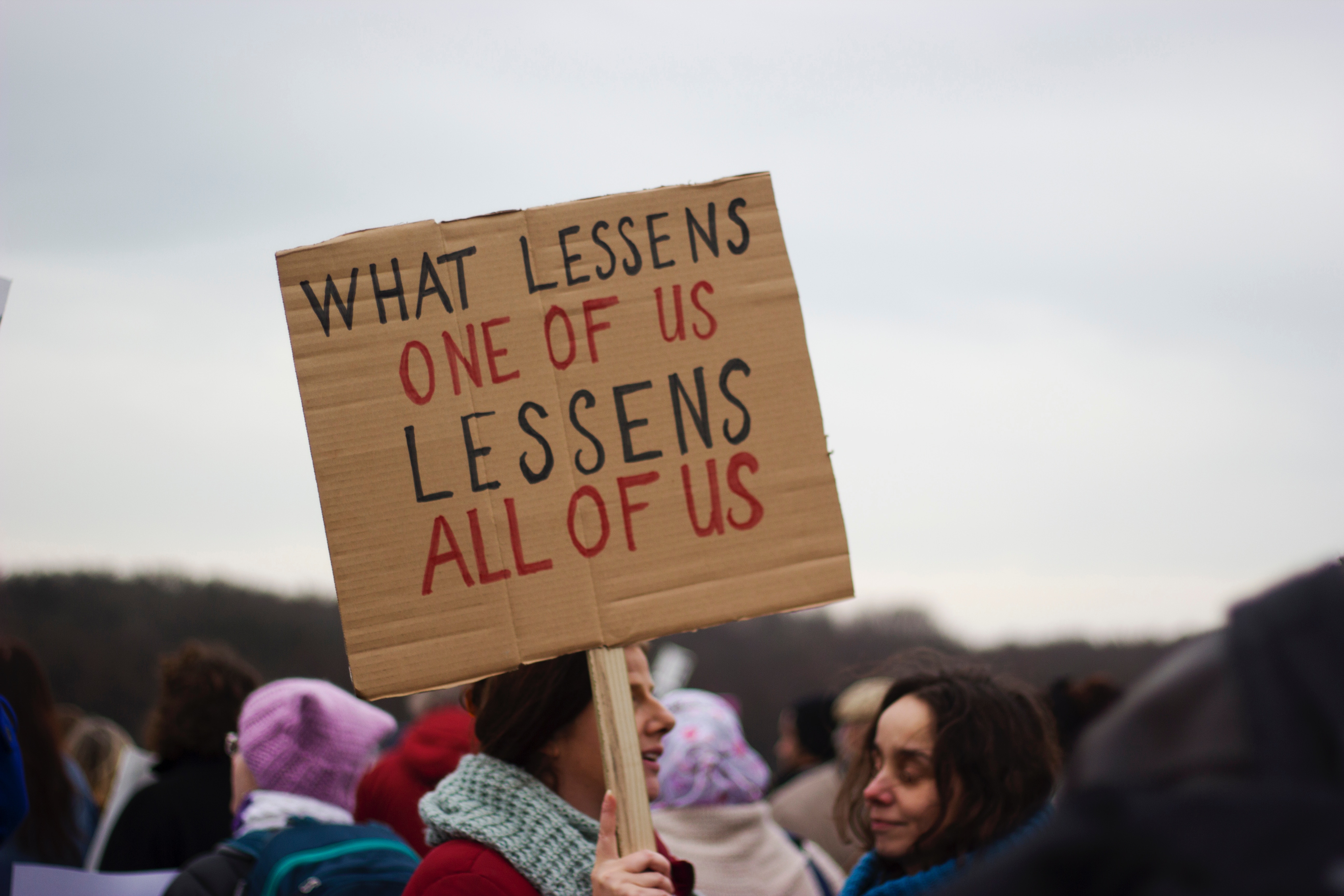
Photo by Micheile Henderson on Unsplash
This article was originally published at The Xylom
Originally published at The Xylom, cover photo taken by
Tim Mossholder on Unsplash

 The Synaptic Sketch